Sasquatch Diesels
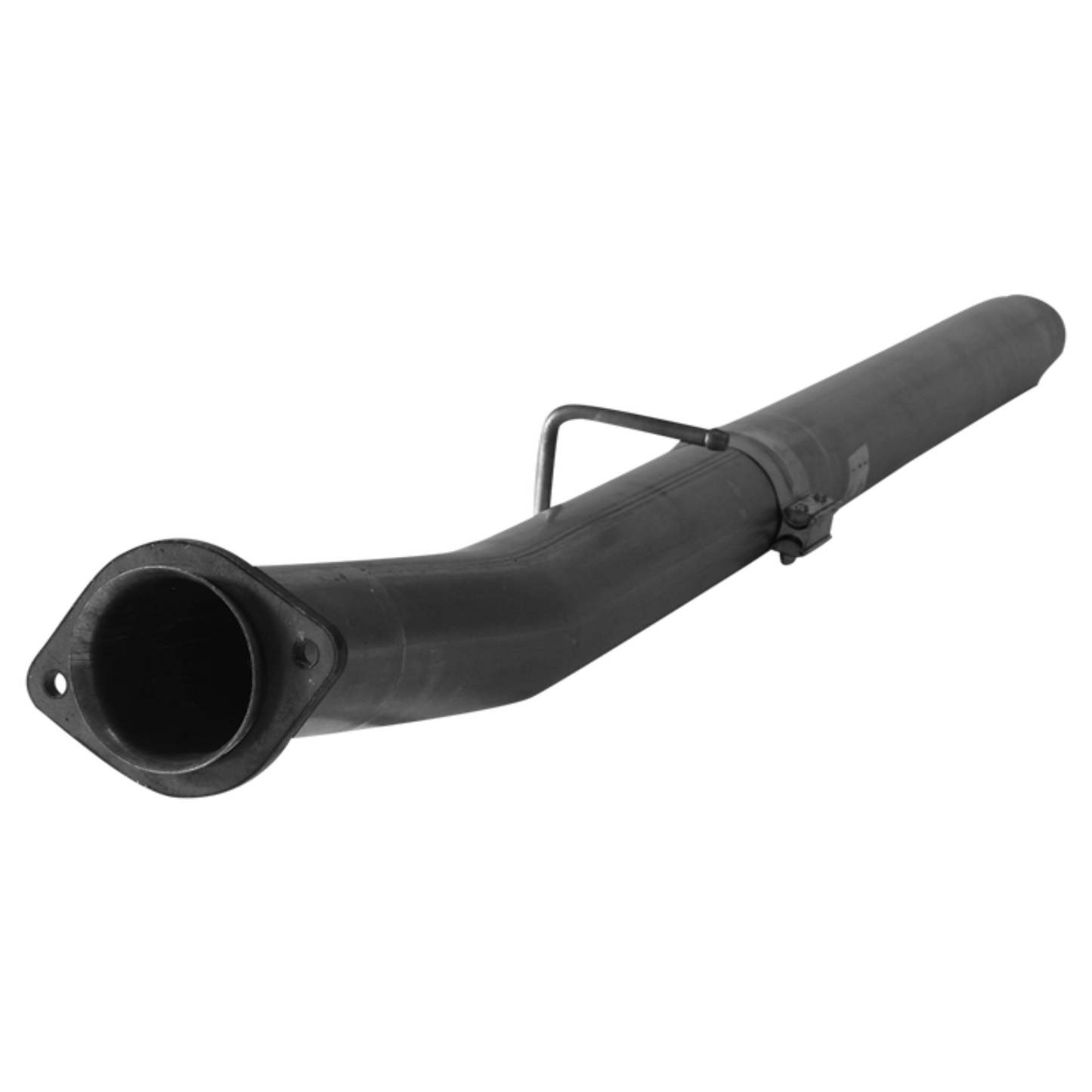
08-10 Ford Powerstroke 6.4L | DPF DEF Delete Pipes
08-10 Ford Powerstroke 6.4L | DPF DEF Delete Pipes
Couldn't load pickup availability
SASQUATCH T409 STAINLESS STEEL SYSTEMS ARE BUILD DIFFERENT
One of the biggest reasons our exhaust systems feel more solid—and hold up better long-term—is the tubing spec. We build ours with 16-gauge wall thickness (about 1.5 mm / ~0.059"), while a lot of the budget, price-point systems you see online are commonly built with thinner wall tubing and lighter hardware to cut cost.
Here’s why that matters in the real world:
1) More durable where trucks actually get abused
Thicker 16-gauge tubing is simply tougher. It’s more resistant to:
- Dents from rocks, ice chunks, and road debris
- Deformation during install (less “tweak it to fit”)
- Stress fatigue around hangers and joints over time
With thinner tubing, it doesn’t take much vibration and heat cycling before you start seeing cracks at the common stress points—especially if the system isn’t braced well.
2) Better fitment and fewer headaches on install
Thicker tubing holds its shape better, which helps everything line up the way it should. On cheaper systems, thinner pipe and looser bend accuracy can show up as:
- Hangers that don’t line up clean
- Tips that sit crooked
- Pipes that sit too close and rattle
- Extra “pre-load” stress because you’re forcing it into position
That pre-load stress is a major contributor to cracks later.
3) Stronger weld areas and less warping
Welding is where quality systems separate themselves. Thicker material gives you more margin for:
- Consistent weld penetration (less risk of a “pretty weld” that’s weak)
- Less heat distortion/warping, especially around junctions and flanges
On stainless systems, proper welding practices (including backpurging where applicable) also matter because it impacts corrosion resistance and long-term durability at the weld.
4) Better sealing when paired with proper flange thickness
A quality exhaust isn’t just the tubing—it’s also the sealing surfaces. Thicker, flatter flanges stay flatter through repeated heat cycles, which means:
- Better gasket crush
- Less chance of leaks
- Less re-tightening and “chasing leaks” later
Cost-down kits often save money with thinner flanges and lighter hangers, and that’s where you see more warping and sealing issues.
5) Sound quality
Thicker wall systems generally sound more “solid” and less tinny, because the tubing doesn’t ring or resonate as easily as thin-wall pipe.
Bottom line: 16-gauge isn’t marketing fluff—it’s a real spec that improves durability, fitment, weld stability, sealing, and sound. You can absolutely get good parts from anywhere if the factory is held to a strict spec, but when a system is priced dirt-cheap, the corners usually get cut in the exact places that 16-gauge (and proper build standards) protect you from.
ALUMINIZED SYSTEMS
These are drop-shipped, budget-friendly delete pipes sourced overseas. The fit and finish won’t be as refined as the premium stainless piping included in our Sasquatch full delete kits, but they’re a solid, dependable option for customers who want the lowest-cost route while still maintaining decent quality and proper function.
Share